

In this digital era, the allure of starting an online business is more potent than ever. The notion of becoming your own boss, setting your own hours, and having the freedom to work from anywhere in the world is incredibly enticing. With the vast resources and technologies available today, embarking on an entrepreneurial journey has become a feasible dream for many. However, the path from a mere idea to a tangible reality is often laden with challenges and unexpected turns. The online marketplace is bustling with competition and the ever-evolving technological landscape keeps shifting the goalposts.
So, how can one navigate through this complex web and start an online business from scratch? The key lies in meticulous preparation, a well-thought-out plan, and a learner's mindset. A solid foundation is crucial to withstand the storms that may come your way as you venture into the digital business realm. With the right approach, guidance, and tools at your disposal, transforming your business idea into a thriving online enterprise is entirely achievable. This guide aims to illuminate the path for aspiring entrepreneurs, providing a step-by-step roadmap to launching and nurturing an online business. Through understanding your niche, analyzing the market, and strategizing your journey, you can venture into the digital market with confidence and a clear vision.
1. Identifying the Niche for Your Online Business

Discovering your niche is akin to finding that cozy, comfortable spot in a crowded room where you feel at ease and in your element. It’s about carving out a space in the expansive market landscape where your business can thrive and resonate with a specific group of individuals. Your niche is where your passion meets the demand of a certain segment of the market. It’s imperative to find a niche that not only sparks your interest but also caters to the needs or desires of a particular audience. This intersection of your interests and market demand is where your online business will find its solid footing.
Being authentic and unique in your niche is like being a breath of fresh air in a room that's been closed off for a while. It attracts attention and builds an immediate connection with individuals who have been yearning for something different. For instance, if you have a passion for sustainable living, you might decide to start an online business selling eco-friendly products. Within this broad niche, you could narrow it down further to selling reusable kitchenware, promoting a zero-waste lifestyle.
The process of identifying your niche should be a blend of personal introspection, market analysis, and research. Here are some steps and tools that can guide you on this journey:
- Self-Reflection:
Begin by listing down your interests, passions, and areas of expertise. It's essential to choose a niche you are passionate about as this will keep you motivated during challenging times. - Market Research:
Delve into the market to understand the existing demand. Tools like Google Trends, Keyword Planner, and SEMrush can provide valuable insights into market trends and consumer interests. - Competitor Analysis:
Analyze your potential competitors within the niches you are considering. Understand their strengths and weaknesses. Tools like Ahrefs and BuzzSumo can help in analyzing the competition and understanding the market dynamics. - Consumer Pain Points:
Identify the problems or pain points consumers face in your chosen niche. Online forums like Reddit, Quora, or niche-specific forums can be gold mines for discovering the challenges and questions your target audience has. - Demand Validation:
Utilize tools like SurveyMonkey or Google Forms to gather feedback on your business idea from potential customers. You can also look at existing product reviews in your chosen niche to understand what customers are looking for. - Keyword Research:
Conduct keyword research to understand the search demand in your chosen niche. Tools like Ubersuggest or Moz's Keyword Explorer can provide insights into the keywords your target audience is using to search for products or information.
Identifying a niche is a critical first step in the journey of starting an online business from scratch. It sets the stage for everything that follows – from your branding and marketing strategies to the design of your online platform. So take the time to choose a niche that aligns with your interests and where you can add value to your customers. With the right niche, you're not just starting a business; you're joining a community where your business will thrive and grow.
2. Market Research and Analysis

Having identified your niche, the next pivotal step is plunging into the depths of market research and analysis. This phase is akin to donning the hat of a detective, where you delve into data, dissect market trends, scrutinize your competition, and unveil the preferences and behaviors of your target audience. Your mission is to unearth the golden nuggets of information that will sculpt the bedrock of your business strategy. The more you understand the market landscape, the better equipped you'll be to navigate the complex terrain of online business.
Understanding Your Competition
Knowledge of your competitors is the lens through which you can discern the market standards and identify gaps you can fill. Here's how you can go about it:
- Competitor Identification:
- Competitor Analysis:
- Evaluate their website, product offerings, customer reviews, and social media presence.
- SpyFu is a great tool for peeking into your competitors' keyword strategies.
Identifying Your Target Audience
Knowing your audience is akin to knowing the heart of your business. It's about understanding their needs, preferences, and the language they speak.
- Audience Demographics:
- Tools like Google Analytics and Facebook Insights can provide demographic information about your potential customers.
- Consumer Behavior Analysis:
- Understand your audience's buying behavior, their challenges, and their interaction with brands in your niche.
Unveiling Market Trends
Being cognizant of market trends will help you stay ahead of the curve and adapt your strategies accordingly.
- Trend Analysis:
- Platforms like Google Trends and TrendHunter can provide a pulse on the current trends in your niche.
- Industry Reports:
- Websites like Statista or industry-specific report publishers can be treasure troves of data regarding market trends and forecasts.
Collecting and Analyzing Data
The data you collect is the compass that will guide your business decisions.
- Surveys and Feedback:
- Tools like SurveyMonkey or Google Forms can help collect valuable insights from potential customers.
- Analytics:
- Platforms like Google Analytics can provide a wealth of data regarding website traffic and user behavior.
Engaging with the Community
Engagement with potential customers and other stakeholders in your niche will provide practical insights.
- Online Forums and Social Media:
- Networking Events and Trade Shows:
- Although more applicable to physical events, networking can also be done virtually, providing a chance to interact with other players in the industry and potential customers.
Market research and analysis is a meticulous process that demands time and effort, but the insights garnered are invaluable. They provide a mirror to see the market as it is, not as you assume it to be. It's about gathering the pieces of the puzzle together to see the bigger picture clearly. This phase lays the groundwork for informed decision-making as you move forward on the path of starting your online business from scratch. With a well-rounded understanding of the market dynamics, you set the stage for a business that resonates with your audience and stands tall amidst the competition.
3. Creating a Business Plan

A business plan is the linchpin that holds your entrepreneurial dreams together, transforming them into actionable objectives. It acts as a compass, guiding you through the murky waters of starting and managing your online business. In your business plan, you'll encapsulate the essence of your business – its structure, market strategies, financial projections, and more. It's akin to drawing a map of a city before venturing into its bustling streets; it gives you a bird's eye view of what to expect and how to navigate.
Structuring Your Business
The structure of your business is the skeletal framework that supports your entrepreneurial venture. It includes the legal structure (sole proprietorship, LLC, corporation, etc.), organizational hierarchy, and operational model.
- Legal Structure:
- Determine the legal structure that best suits your business. Tools like LegalZoom or consulting with a business attorney can help in making an informed decision.
- Organizational Hierarchy:
- Outline the key positions and responsibilities within your business. Tools like Organimi can help in creating an organizational chart.
- Operational Model:
- Detail the day-to-day operations, from procurement to customer service.
Market Strategies
Market strategies are your game plan to attract and retain customers. It's about identifying the unique selling propositions (USPs) of your business and leveraging them effectively.
- Target Audience:
- Define your target audience, create customer personas, and understand their pain points.
- Positioning:
- Determine how you will position your brand in the market. Tools like Canva can help in creating visual brand elements.
- Marketing Channels:
- Select the marketing channels (social media, email marketing, SEO, etc.) you'll use to reach your audience. Platforms like HubSpot can assist in managing and analyzing your marketing campaigns.
Financial Projections
Financial projections are the heartbeats of your business plan, providing a glimpse into the financial health and viability of your venture.
- Revenue Projections:
- Estimate your revenue over a specific period, considering different scenarios (optimistic, pessimistic, and realistic).
- Tools like Excel or Google Sheets can be used to create financial models.
- Expense Budget:
- List all anticipated expenses, including fixed and variable costs.
- Cash Flow Forecast:
- Project your cash flow to ensure you have enough liquidity to operate. Tools like QuickBooks can be helpful in managing and forecasting cash flow.
Measuring Success
Define the key performance indicators (KPIs) that will measure the success of your business.
- KPI Selection:
- Choose relevant KPIs like website traffic, conversion rate, customer retention rate, etc.
- Monitoring and Analysis:
- Use tools like Google Analytics to monitor your KPIs and analyze the data to make informed decisions.
Review and Adaptation
A business plan is not set in stone; it's a dynamic document that should evolve with your business.
- Regular Review:
- Review your business plan regularly to ensure it aligns with your business goals and market realities.
- Adaptation:
- Be ready to pivot your strategies based on the analysis of your performance and market feedback.
Creating a business plan requires a blend of analytical thinking, foresight, and a deep understanding of your business domain. It's about painting a clear picture of where your business is headed and how you plan to steer it towards success. With a robust business plan, you arm yourself with a potent tool that propels your online business from the realms of abstraction to the bustling market reality, setting a solid foundation for informed decision-making and strategic action.
4. Building Your Online Platform

In the digital realm, your online platform is akin to your physical storefront in the traditional market; it's the face of your business, the first impression you make on your visitors. Just as a brick-and-mortar store has a physical address, your online platform has a domain name. It's where your customers will find you, interact with you, and hopefully, conduct business with you. Building an inviting, user-friendly online platform is crucial in establishing trust and facilitating seamless interactions between your business and your customers.
Choosing a Domain Name
Your domain name is your online address, a crucial aspect of your brand identity.
- Memorability and Simplicity:
- Choose a domain name that's easy to remember, spell, and type.
- For instance, if you're selling handmade crafts, a domain name like “CraftyCreations.com” could be a catchy and descriptive choice.
- Domain Registration:
- Register your domain through reliable registrars like GoDaddy, Namecheap, or Squarespace Domains.
- Domain Availability:
- Ensure the domain name you choose is available and doesn't infringe on any trademarks.
Designing Your Website
The design of your website should resonate with your brand and provide a pleasant browsing experience.
- Professional Design:
- Consider hiring a professional web designer or using website builders like Shopify, WordPress, or Squarespace.
- Responsive Design:
- Ensure your website is mobile-friendly and displays well on various devices.
- Branding:
- Incorporate your brand colors, logos, and other brand elements consistently throughout the website.
Enhancing User Experience (UX)
A user-friendly website encourages visitors to stay longer, explore further, and interact more.
- Navigation:
- Ensure that your website has intuitive navigation, making it easy for visitors to find what they are looking for.
- Loading Speed:
- Optimize your website's loading speed by compressing images and using caching. Tools like Google PageSpeed Insights can provide insights and suggestions.
- Call to Actions (CTAs):
- Include clear and compelling CTAs that guide visitors towards taking desired actions such as making a purchase, signing up, or contacting you.
Setting Up E-commerce Features
If you plan to sell products or services directly from your website, you'll need to set up e-commerce features.
- Shopping Cart and Checkout:
- Provide a secure and straightforward shopping cart and checkout process.
- Payment Processing:
- Product Listings:
- Create clear, informative product listings with high-quality images and detailed descriptions.
Search Engine Optimization (SEO)
Optimize your website for search engines to improve visibility and attract organic traffic.
- Keyword Optimization:
- Quality Content:
- Provide valuable, engaging content that answers questions and solves problems for your visitors.
- Backlinks:
- Build high-quality backlinks to improve your website's authority and rankings in search engine results.
Building your online platform is about creating a space that reflects your brand, engages your audience, and facilitates smooth transactions. Your website is not merely a digital brochure but a dynamic interface where you interact with your customers and conduct business. With a well-designed, user-friendly online platform, you lay a solid foundation for your online business, enabling you to reach, engage, and serve your customers effectively in the digital marketplace.
5. Developing Your Product or Service

The heart of any business lies in the value it provides to its customers through its products or services. As you venture into developing your offering, it's akin to planting a seed with a vision of nurturing it into a sturdy, fruitful tree. The essence of a meaningful product or service is in its ability to solve a problem or fulfill a need within your identified niche. It's about creating something that not only resonates with your audience but also brings about a positive impact in their lives.
Understanding the Problem or Need
The initial step in developing your product or service involves a deep understanding of the problems or needs you aim to address.
- Market Research:
- Delve into your market research to understand the pain points or desires of your target audience.
- Tools like SurveyMonkey or discussions on platforms like Reddit and Quora can provide insights into your audience's needs.
- Customer Feedback:
- If you already have a customer base, gather feedback to understand their needs better.
- Tools like Google Forms or Typeform can be useful for collecting and analyzing feedback.
Ideation and Conceptualization
Once you have a clear understanding, the creative process of ideation takes center stage.
- Brainstorming:
- Brainstorm different ideas and approaches to solving the identified problem or fulfilling the need.
- Tools like MindMeister can facilitate brainstorming sessions.
- Prototyping:
- Create a prototype or mock-up of your product or outline of your service.
- Tools like Sketch or Adobe XD can be useful for prototyping.
Development and Testing
With a solid concept in place, it's time to bring your idea to life.
- Development:
- Testing:
- Test your product or service to ensure it meets the desired quality and solves the identified problem effectively.
- Tools like UserTesting can provide valuable feedback from real users.
Refinement and Optimization
Based on the feedback and testing results, refine your offering.
- Improvements:
- Make necessary improvements to enhance the quality and effectiveness of your product or service.
- Analytical tools like Google Analytics can help in measuring user interactions and identifying areas for improvement.
- Optimization:
- Optimize your offering for better performance, usability, and overall user satisfaction.
Launch Preparation
Prepare for the launch by planning the marketing, distribution, and support.
- Marketing and Promotion:
- Develop a marketing strategy to promote your product or service. Tools like HubSpot can be useful for managing marketing campaigns.
- Distribution Channels:
- Identify and set up distribution channels. If it's an online product or service, ensure your website is ready to handle sales and support.
- Customer Support:
Developing your product or service is a journey of creation, from conceptualization to launching it into the market. It's about nurturing your initial idea through various stages of growth, refining it with feedback and insights, and preparing it for a successful launch. With a well-thought-out development process, you ensure that your offering is not just a fleeting idea but a tangible solution that brings value to your customers and growth to your online business.
6. Implementing a Marketing Strategy

Marketing is the propelling force that drives your business forward on the road to success. It's the bridge that connects your brand to your target audience, conveying the value you offer. A well-orchestrated marketing strategy is like the conductor of an orchestra, ensuring every element is in harmony to create a compelling melody that captivates the audience. It's about crafting a narrative that resonates with your audience, aligns with your brand values, and effectively communicates the benefits of your products or services. In the digital arena, myriad channels and platforms are at your disposal to broadcast your message and engage with your audience.
Understanding Your Audience
A profound understanding of your target audience is the foundation upon which effective marketing strategies are built.
- Audience Personas:
- Create detailed personas for your target audience to understand their demographics, psychographics, and behavior.
- Tools like HubSpot’s Make My Persona can assist in creating comprehensive personas.
- Customer Journey Mapping:
- Map out the customer journey to understand the touchpoints and interactions customers have with your brand.
- Tools like Lucidchart can facilitate the creation of customer journey maps.
Crafting Your Message
The essence of your marketing strategy lies in the message you convey.
- Unique Selling Proposition (USP):
- Identify and articulate your USP, the unique benefits that set your offering apart from the competition.
- Content Creation:
Selecting Marketing Channels
The choice of marketing channels is crucial as it determines where and how you interact with your audience.
- Social Media Marketing:
- Email Marketing:
- Build an email list and nurture your audience with regular updates, insights, and offers.
- Platforms like Mailchimp or GetResponse are excellent for managing email campaigns.
- Search Engine Optimization (SEO) and Pay-Per-Click (PPC) Advertising:
- Optimize your website for search engines to attract organic traffic and consider PPC advertising for immediate visibility.
- Tools like Google Ads for PPC and Yoast SEO for website optimization can be invaluable.
- Influencer Collaborations:
Measuring and Analyzing Performance
Continuous measurement and analysis are crucial for optimizing your marketing efforts.
- Analytics:
- Use analytics tools to measure the performance of your marketing campaigns and understand your audience behavior.
- Google Analytics and Facebook Insights are robust tools for analyzing digital performance.
- A/B Testing:
- Conduct A/B tests to understand what strategies work best and optimize accordingly.
- Tools like Optimizely or CartFlows can facilitate effective A/B testing.
- Feedback Collection:
- Collect feedback from your audience to understand their perception and improve your marketing strategies.
- Platforms like SurveyMonkey or Google Forms can be used for feedback collection.
Implementing a marketing strategy is a dynamic, ongoing process that evolves with your business and market trends. It's about striking a chord with your audience, fostering relationships, and building a community around your brand. Through strategic planning, creative execution, and continuous optimization, your marketing efforts can significantly amplify your online business's reach, engagement, and ultimately, its success in the competitive digital marketplace.
7. Optimizing for Search Engines (SEO)
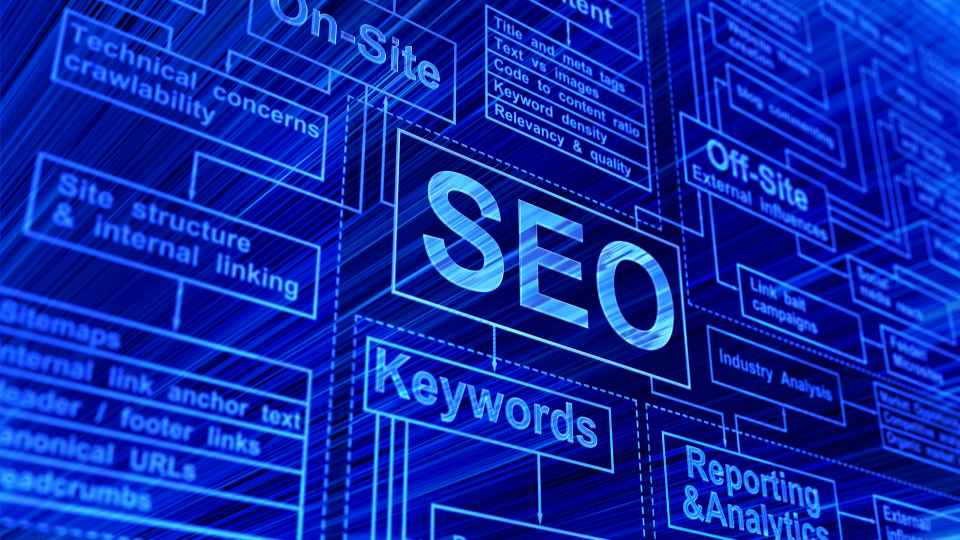
In the vast expanse of the digital realm, Search Engine Optimization (SEO) acts as a beacon that guides potential customers to your online abode. It's akin to erecting a towering billboard on the bustling digital highway, making your business visible to those on the lookout for what you offer. SEO is the art and science of enhancing your website's visibility on search engines, ensuring that when someone searches for products or services you provide, your business appears in the prominent spots of search results. It's a vital component of your online marketing strategy that can significantly bolster your online presence, drive organic traffic to your website, and augment the likelihood of converting visitors into customers.
Keyword Research
At the core of SEO lies the strategic use of keywords relevant to your business and audience.
- Identify Relevant Keywords:
- Discover keywords that your target audience is using to search for products or services similar to yours.
- Tools like Google Keyword Planner, SEMrush, or Ubersuggest can be invaluable in identifying high-traffic and relevant keywords.
- Long-Tail Keywords:
- Consider incorporating long-tail keywords which, although may have lower search volumes, often have a higher conversion rate as they are more specific.
- For example, instead of using a generic term like “natural skincare,” you might use a more specific phrase like “organic anti-aging skincare for sensitive skin.”
On-Page Optimization
On-page optimization involves tweaking various elements on your website to make it search-engine friendly.
- Meta Tags:
- Craft compelling meta titles and descriptions incorporating your target keywords.
- Tools like Yoast SEO can help in optimizing meta tags and other on-page elements.
- Header Tags:
- Use header tags (H1, H2, H3, etc.) to structure your content, making it easier for search engines to understand the context.
- Image Optimization:
- Compress images and use descriptive alt text to improve page load speed and accessibility.
- URL Structure:
- Ensure URLs are succinct, descriptive, and include keywords.
Off-Page Optimization
Off-page optimization encompasses activities carried out outside your website to improve its ranking and credibility.
- Backlink Building:
- Acquire high-quality backlinks from reputable websites in your niche to bolster your website’s authority.
- Guest posting on established blogs or collaborating with influencers can be effective strategies for backlink building.
- Social Signals:
- Encourage sharing and interaction on social media platforms to enhance your website’s social signals.
- Local SEO:
- If applicable, optimize your website for local searches by creating a Google Business listing and collecting local reviews.
Technical SEO
Technical SEO lays the groundwork for search engines to crawl and index your website efficiently.
- Mobile Optimization:
- Ensure your website is mobile-friendly to cater to the majority of internet users who browse on mobile devices.
- Site Speed:
- Optimize site speed by compressing images, reducing server response time, and leveraging browser caching.
- Tools like Google PageSpeed Insights can provide insights and suggestions for improving site speed.
- Secure and Accessible Website:
- Ensure your website is secure (HTTPS) and accessible to both users and search engines.
- XML Sitemap and Robots.txt:
- Create an XML sitemap to help search engines understand the structure of your website and a Robots.txt file to control how search engines crawl your site.
Monitoring and Analysis
Consistent monitoring and analysis are pivotal to understanding the effectiveness of your SEO strategies and making necessary adjustments.
- Tracking Rankings:
- Analyzing Traffic:
- Utilize Google Analytics to analyze website traffic, user behavior, and other crucial metrics.
- SEO Audits:
- Conduct regular SEO audits to identify and fix issues that could be hampering your SEO performance.
- Tools like Moz or Screaming Frog SEO Spider can be used for comprehensive SEO audits.
SEO is an ongoing endeavor, a long-term investment that gradually fosters your online visibility, credibility, and user experience. It’s about aligning your website with the algorithms and criteria set by search engines while ensuring a pleasant and meaningful user experience. By diligently implementing SEO strategies and adapting to the ever-evolving search engine algorithms, you not only enhance your online platform’s visibility but significantly augment the likelihood of attracting and engaging a larger audience in the digital sphere.
8. Customer Engagement and Retention

Building a thriving online business transcends merely attracting visitors; it's about nurturing a community, fostering relationships, and creating a loyal customer base. Engaging with your customers, valuing their feedback, and endeavoring for continuous improvement are the linchpins of sustainable success. It’s akin to cultivating a garden, where your customers are the seeds, your engagement is the water, and the community you build is the blooming garden. Each interaction, each feedback, and each improvement contributes to the robust ecosystem of trust, value, and loyalty around your brand.
Establishing Communication Channels
Effective communication is the cornerstone of customer engagement and retention.
- Social Media Platforms:
- Email Marketing:
- Use email to keep your customers informed about new products, offers, and valuable insights.
- Platforms like Mailchimp or GetResponse are excellent for managing email campaigns.
- Live Chat and Messaging:
- Incorporate live chat or messaging features on your website to provide real-time support and engagement.
- Tools like Intercom can facilitate real-time communication with your customers.
Collecting and Acting on Feedback
Feedback is the compass that directs your journey towards continuous improvement.
- Surveys and Feedback Forms:
- Conduct surveys or provide feedback forms to collect insights from your customers.
- Tools like SurveyMonkey or Google Forms can be instrumental in collecting and analyzing feedback.
- Review Platforms:
- Encourage customers to leave reviews on platforms like Google Business or Trustpilot.
- Respond to reviews, both positive and negative, to show that you value customer feedback.
Building a Community
Fostering a sense of community around your brand enhances customer loyalty and advocacy.
- Online Forums and Communities:
- Create online forums or communities where customers can interact, share experiences, and provide support to each other.
- Platforms like Discord or Facebook Groups can be utilized to build and manage online communities.
- User-Generated Content:
- Encourage customers to share their experiences and use your products through user-generated content.
- Feature user-generated content on your social media platforms and website to celebrate your community.
- Loyalty Programs:
Analyzing Customer Behavior
Understanding customer behavior and preferences helps in crafting personalized engagement strategies.
- Analytics:
- Utilize tools like Google Analytics to analyze customer behavior on your website.
- Customer Relationship Management (CRM):
- Use CRM systems to track customer interactions, preferences, and purchase history.
- Platforms like Salesforce or HubSpot CRM can provide a holistic view of your customer relationships.
Educating Your Customers
Education fosters informed customers who can make the most out of what you offer.
- Content Marketing:
- Create and share educational content that helps your customers better understand and use your products or services.
- Webinars and Workshops:
- Host webinars or online workshops to educate your customers and provide value.
Engagement and retention are about forging a symbiotic relationship with your customers, where they find value and satisfaction in your offerings, and you gain insights, loyalty, and advocacy in return. It's about transcending transactional interactions and nurturing meaningful relationships that propel your business towards a cycle of continuous growth and improvement. Through diligent engagement and a genuine commitment to customer satisfaction, you not only retain a loyal customer base but also foster a thriving community that champions your brand in the competitive digital marketplace.
9. Analyzing and Adapting

In the digital landscape, the winds of change blow fiercely and frequently. The ability to analyze, learn, and adapt is akin to having a sturdy sail and a keen eye on the shifting winds, enabling you to navigate through the turbulent waters of the online business world. It's about embodying a blend of resilience, flexibility, and a continuous learning ethos, ready to evolve with the market trends and steer your online business towards the shores of success. This phase involves a meticulous analysis of your performance, learning from both triumphs and tribulations, and adapting your strategies to align with the ever-changing market dynamics.
Performance Analysis
The thorough analysis of your business performance provides a clear lens to view the efficacy of your strategies.
- Analytics Tools:
- Utilize analytics tools like Google Analytics to monitor website traffic, user behavior, and conversion rates.
- Sales and Revenue Analysis:
- Evaluate your sales figures, revenue streams, and ROI to understand the financial health of your business.
- Tools like Tableau or Microsoft Power BI can assist in visualizing and analyzing financial data.
- Customer Feedback:
- Collect and analyze customer feedback to gauge satisfaction levels and identify areas of improvement.
Learning from Mistakes and Successes
Every experience, be it a success or a setback, is a stepping stone towards enhanced understanding and improvement.
- Post-Mortem Analysis:
- Conduct post-mortem analyses after campaigns or projects to understand what worked and what didn’t.
- Competitor Analysis:
Adapting Strategies
Adaptation is the hallmark of sustainability in the digital ecosystem.
- Market Trend Analysis:
- Stay updated with market trends, consumer preferences, and technological advancements.
- Platforms like Google Trends or Buzzsumo can provide insights into current market trends.
- Agile Methodologies:
- Employ agile methodologies to remain flexible and adapt strategies swiftly in response to changing dynamics.
- Project management frameworks like Scrum or Kanban can facilitate an agile approach to managing projects and strategies.
- Continuous Learning:
- Encourage a culture of continuous learning within your team, stay updated with industry knowledge, and experiment with new strategies.
- Technology Adoption:
- Embrace new technologies that can enhance your operational efficiency, customer engagement, and overall performance.
Testing and Optimization
A culture of continuous testing and optimization fosters a growth-centric environment.
- A/B Testing:
- Conduct A/B testing to ascertain the most effective strategies, be it in marketing, website design, or customer engagement.
- Tools like Optimizely or Google Optimize can assist in executing and analyzing A/B tests.
- Conversion Rate Optimization (CRO):
- Optimize your website and marketing campaigns to enhance conversion rates.
- Platforms like Unbounce or Crazy Egg can provide insights and tools for CRO.
- Feedback Loops:
- Establish feedback loops with your customers to continuously improve based on their input.
Analyzing and adapting are not mere tasks, but a mindset, a culture that propels your online business on a trajectory of continuous growth and relevance. It’s about fostering a culture of reflective practice, keen observation, and dynamic adaptation that echoes with the pulse of the market. In the digital realm, where change is the only constant, the ability to analyze and adapt is your compass, guiding your online business through the labyrinth of challenges towards the pinnacle of success.
10. Scaling Your Business

As your online business begins to gain traction, the horizon broadens, unveiling opportunities to scale and ascend to new heights. Scaling is akin to unlocking a new level in a game, where the stakes are higher, but so are the rewards. It's about fortifying your existing foundation and branching out into new territories, be it through expanding your product range, venturing into new markets, or optimizing your operations for increased capacity. Scaling propels your business from a fledgling venture to a robust, resilient entity poised for sustained growth and impact.
Expanding Product or Service Range
Diversifying your offerings can attract a broader customer base and foster increased revenue streams.
- Market Research:
- Conduct thorough market research to identify potential new products or services that resonate with your audience and complement your existing offerings.
- Tools like Google Surveys or SEMrush can provide valuable insights into market demand and trends.
- Customer Feedback:
- Engage with your existing customers to understand their needs and interests regarding new offerings.
- Utilize platforms like SurveyMonkey or Google Forms for collecting customer feedback.
- Product Development:
Entering New Markets
Venturing into new markets can significantly broaden your customer base and enhance brand recognition.
- Market Analysis:
- Analyze potential new markets to understand the demand, competition, and cultural nuances.
- Tools like Market Finder by Google can assist in identifying promising new markets.
- Localization:
- Localize your website, marketing campaigns, and customer support to resonate with the local audience.
- Platforms like Unbabel or Translate.com can provide localization services.
- Legal Compliance:
- Ensure compliance with local laws, regulations, and business practices to mitigate risks.
Optimizing Operations
Operational optimization enhances efficiency, allowing you to handle increased business volume without compromising quality.
- Automation:
- Supply Chain Management:
- Technology Adoption:
- Adopt advanced technologies like AI, machine learning, or cloud computing to enhance operational efficiency and data-driven decision-making.
Building a Scalable Infrastructure
A scalable infrastructure enables your business to grow without hitting operational bottlenecks.
- Cloud Computing:
- Utilize cloud computing platforms like AWS or Google Cloud to ensure your IT infrastructure can scale with your business needs.
- Scalable Marketing Strategies:
- Develop marketing strategies that can scale with your business, such as programmatic advertising or influencer collaborations.
- Financial Management:
- Establish robust financial management practices to manage increased revenue, expenses, and investments.
- Platforms like QuickBooks or Xero can provide comprehensive financial management tools.
Monitoring and Analysis
Continuous monitoring and analysis ensure your scaling efforts are on the right track.
- Performance Metrics:
- Track key performance metrics to measure the success of your scaling strategies and identify areas for improvement.
- Analytics platforms like Google Analytics can provide in-depth analysis of performance metrics.
- Customer Feedback:
- Continuously collect and analyze customer feedback to ensure your scaling efforts are resonating well with your audience and meeting market demands.
Scaling is a meticulous, strategic endeavor that catapults your online business into new realms of opportunities and challenges. It's about envisioning a larger canvas, meticulously planning the expansion, and orchestrating the myriad elements in harmony to create a larger, yet cohesive masterpiece. With a robust scaling strategy, not only do you amplify the reach and impact of your online business, but you also fortify its foundation, enabling it to thrive amidst the evolving market dynamics and emerge as a formidable player in the digital arena.
Conclusion
Embarking on the journey of starting an online business from scratch may initially appear as a formidable endeavor, shrouded in uncertainties and challenges. However, akin to a well-navigated expedition, with a meticulously charted plan, the right set of tools, and a sprinkle of perseverance, you can traverse through the unknown, unveiling opportunities, and transforming your entrepreneurial aspirations into a tangible, thriving reality.
The realm of online business is a vibrant, dynamic landscape that pulsates with possibilities. It's a platform where your ideas can take flight, transcending geographical boundaries, and connecting with individuals and communities globally. Every step, from ideating a unique value proposition, crafting a compelling online presence, engaging with your audience, to scaling your operations, is a blend of creativity, strategy, and data-driven insights.
As you delve into each phase of building your online business, remember, the essence of success lies not in the avoidance of challenges but in the embrace of learning and adaptation. It's about cultivating a growth mindset, where each hurdle surmounted is a lesson learned, each feedback absorbed is a stepping stone towards enhancement, and each milestone achieved is a testament to your entrepreneurial spirit.
Moreover, the digital ecosystem is ever-evolving, with new technologies, market trends, and consumer preferences continually reshaping the landscape. Stay curious, stay informed, and be ready to adapt and evolve. Harness the power of digital tools and analytics to gauge your performance, understand your audience, and refine your strategies. The path of entrepreneurship in the digital world is both a science and an art, a confluence of data-driven decisions and creative expressions.
As you step into the exhilarating arena of online entrepreneurship, armed with knowledge, a clear plan, and a passionate resolve, the horizon is bright with promise. The venture may demand diligence, patience, and resilience, but the rewards of self-fulfillment, financial independence, and the potential to make a positive impact make the endeavor a captivating, worthwhile journey. Your entrepreneurial dreams are but a few clicks away from the realm of reality, ready to be explored, nurtured, and celebrated in the boundless digital frontier.
FAQs
What are the legal considerations when starting an online business?
Navigating the legal labyrinth is a crucial facet of establishing your online business on a solid foundation. It's imperative to acquaint yourself with the legal prerequisites pertinent to your business domain. This encompasses securing the requisite business licenses and permits, adhering to tax obligations including collecting and remitting sales tax, and ensuring compliance with consumer protection laws which cover areas like data protection and customer rights. It's advisable to seek legal counsel to ensure that your online business is compliant with the law, thereby mitigating risks and fostering a trustworthy relationship with your customers.
How much capital do I need to start an online business?
The capital requisites for kickstarting an online business can span a broad spectrum depending on the nature, scope, and ambitions of your venture. Some online business models, particularly those based on dropshipping or digital services, may necessitate a relatively modest financial outlay to commence operations. Conversely, ventures that entail the creation and stocking of physical products, or those targeting a premium segment of the market, may demand a heftier investment upfront. It's prudent to draft a detailed business plan delineating all potential expenses, from platform hosting fees and marketing budgets to inventory costs and shipping fees, to garner a comprehensive understanding of the capital needed to fuel your entrepreneurial endeavor.
How do I choose the right platform for my online business?
The selection of an apt platform is pivotal to the seamless functionality and user-friendly experience of your online business. Your choice should resonate with the unique needs and goals of your venture. Key factors to mull over include the platform’s ease of use, the extent of customization it allows, its capability to scale with your business growth, and the level of support and resources available. Additionally, scrutinize the platform’s integrations with other essential tools and services, its SEO capabilities, and its transaction fees. Engaging in thorough research, comparing different platforms, and leveraging free trials or demos can empower you with the insights needed to make an informed decision that aligns with your business objectives.
How can I attract customers to my online business?
Enticing customers to your online business is an art and science entwined in a coherent strategy that melds effective marketing, superior quality products or services, and stellar customer service. Initiating with a robust online presence through a professional, user-friendly website and active social media profiles is vital. Deploying targeted marketing campaigns, utilizing both organic and paid channels like SEO, social media marketing, and email marketing, can significantly amplify your visibility and traffic. Offering quality products or services that solve a problem or fulfill a need, coupled with an exceptional customer service, nurtures a positive customer experience, fostering trust, satisfaction, and word-of-mouth referrals.
How can I measure the success of my online business?
Measuring the success of your online business unfurls through a lens of varied metrics that provide insights into different facets of your venture's performance. Web traffic metrics divulge the volume and behavior of visitors to your site, while sales figures and revenue trends offer a glimpse into your financial performance. Customer satisfaction, gauged through reviews, feedback, and retention rates, unveils the quality of your customer relationships. Additionally, monitoring the growth in your customer base, market share, and the successful achievement of set business objectives are indicative of your venture's progress and success. Employing analytics tools like Google Analytics, coupled with regular reviews of financial statements and customer feedback, can equip you with a holistic understanding of your online business's success trajectory.


1 thought on “Your Guide on How to Start an Online Business from Scratch”
Pingback: Unlocking the Basics of Income Tax: A Comprehensive Guide