
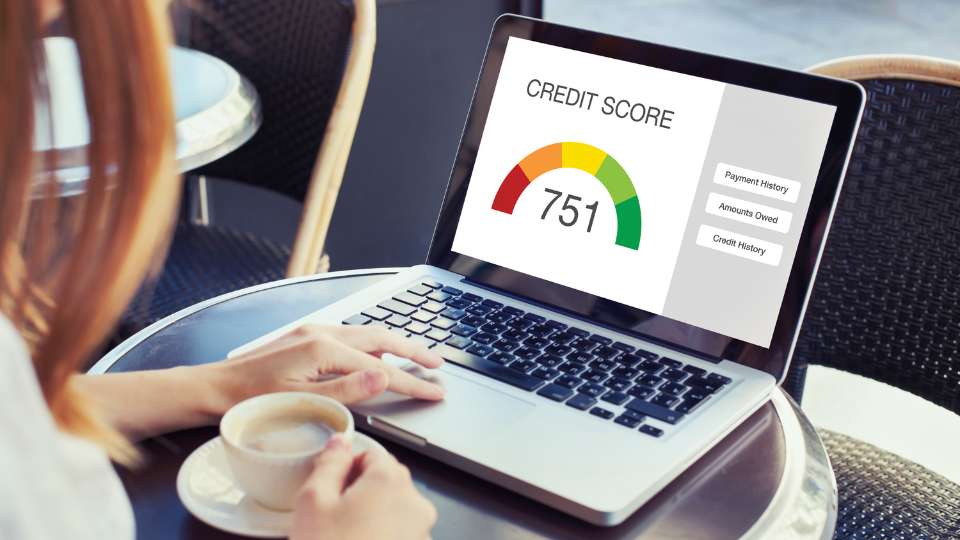
A credit score is a numerical representation of an individual’s creditworthiness, which is essentially an estimate of how likely they are to repay borrowed money. Credit scores are used by lenders such as banks and credit card companies to evaluate the potential risk posed by lending money to consumers and to mitigate losses due to bad debt.
What is a Credit Score?
A credit score encapsulates the financial behavior and discipline of an individual into a three-digit numeric representation. This score is generated through a complex mathematical algorithm that meticulously analyzes the information present in your credit report.
A pivotal aspect to understand is that a single individual doesn't just have one, but multiple credit scores. These scores can exhibit variation among different credit bureaus due to the distinctive information each bureau might have in their records. Every bureau has its own method of data collection and may have access to different financial information, hence the potential variance in scores. Although the numbers may slightly differ, they all aim to provide an accurate estimation of your creditworthiness.
Components of a Credit Score
A credit score isn't just a random number but a well-calculated figure derived from various components of your financial history. Here's a more detailed breakdown:
- Payment History (35%): This segment reflects your consistency and punctuality in paying back your loans and other debts. It accounts for the largest portion of your credit score, making timely payments crucial. It records payments on credit cards, retail accounts, installment loans, finance company accounts, and mortgages.
- Amounts Owed (30%): This part delves into how much you owe in total across all your credit accounts, in relation to your credit limits. It’s not just about the amount, but how much of your available credit you’re utilizing. Lower credit utilization is seen as favorable as it suggests that you haven't overextended your credit.
- Length of Credit History (15%): This assesses the duration your credit accounts have been active. A longer credit history is beneficial for your score as it provides more data on your spending habits and payment behavior.
- Types of Credit in Use (10%): A mix of credit types—credit cards, mortgages, and installment loans—can be beneficial for your credit score. This component evaluates what types of credit you have and how many of each.
- New Credit (10%): Opening many new credit accounts in a short period can represent higher risk, especially for individuals with a short credit history. This section also encompasses the number of recent inquiries into your credit history by lenders.
How is Credit Score Calculated
The process of calculating a credit score begins with the collection of financial information by credit bureaus. This data, contained in your credit report, is then methodically analyzed using a credit scoring model.
There are several models in existence, but the FICO score is the most widely used. The model employs statistical methods to analyze your credit report data against millions of other people’s credit information to generate a score that predicts your likelihood of repaying borrowed money. Each of the aforementioned components is weighed differently in the algorithm to produce a score that ranges between 300 to 850. This score serves as a quick tool for lenders to evaluate your credit risk level at a glance.
Importance of a Good Credit Score
Navigating through the financial labyrinth of life necessitates a good credit score. It's like your financial passport, opening doors to a myriad of opportunities and benefits. A good credit score is not just a number, but a reflection of your financial discipline, reliability, and credibility.
The implications of having a good credit score extend far beyond what most people might anticipate. Let's delve deeper into the realms of its importance:
Loan Approval
A good credit score is akin to a golden ticket when it comes to loan approvals. Whether you’re eyeing a new home, a car, or considering a personal loan for unexpected expenses, your credit score will be the first thing that lenders scrutinize.
A higher score not only increases the likelihood of your loan application getting approved, but it also smoothens the process. Lenders, be it banks or credit unions, are in the business of mitigating risk, and a good credit score tells them that you're less of a risk. It portrays a history of financial responsibility and suggests that you have managed past credit well, thereby increasing the confidence of lenders in your ability to repay future loans.
The trust that comes with a good credit score could potentially save you a lot of time and paperwork in the loan approval process.
Interest Rates
The interest rate is essentially the cost of borrowing money, and it can accumulate substantially over time.
One of the significant advantages of having a good credit score is the luxury of securing loans or credit card rates at lower interest rates. Lenders are willing to offer better interest rates to individuals with good or excellent credit scores as a reward for their perceived reliability. A lower interest rate can result in paying thousands less over the life of a loan.
For instance, the difference in interest paid on a 30-year mortgage can be tens of thousands of dollars over the life of the loan between someone with excellent credit and someone with poor credit. Thus, a good credit score can save you a significant amount of money by lowering the interest you pay on loans and credit card balances.
Employment Opportunities
In today's competitive job market, employers are looking for any metric that can help them find the most reliable and responsible candidates.
As part of the hiring process, some employers check the credit scores of prospective employees to get a glimpse into their financial responsibility. A good credit score can be seen as indicative of a candidate’s ability to manage their personal affairs, and by extension, their professional responsibilities. Especially for positions that involve handling finances or sensitive information, a good credit score can make a substantial difference in an employer's decision to hire you.
It’s not a universal practice, but it’s common enough, especially in finance, management, and government sectors, making a good credit score an essential part of your professional profile.
How to Improve Your Credit Score
The pathway to financial freedom often begins with a sound credit score. However, enhancing your credit score is a marathon, not a sprint. It demands a blend of time, effort, and financial discipline. Tackling the issues dragging your score down sooner rather than later can set you on a rapid trajectory towards a better credit score.
Below are elucidated steps that can serve as a roadmap to improving your credit score:
Checking Your Credit Report
Your credit report is a narrative of your financial behavior. It's prudent to make a habit of checking your credit report regularly. Here’s a breakdown of how and why:
- Regular Checks: Federal law allows you to get a free copy of your credit report every 12 months from each of the three major credit bureaus – Equifax, Experian, and TransUnion. It's wise to space these out so you can check your credit report every four months.
- Dispute Inaccuracies: Your credit report might contain errors such as wrong account information, incorrect credit limits, or unauthorized inquiries. Identifying and disputing these inaccuracies can help clean up your credit report, which in turn can boost your score.
- Identify Areas of Improvement: Regular checks can also help you identify areas where you can improve. For instance, you might notice high balances on certain accounts or realize that you don’t have a good mix of credit.
Paying Bills On Time
Your payment history constitutes the largest chunk of your credit score, making timely payments a critical aspect of credit score improvement. Here are some tips:
- Set Up Automatic Payments: To ensure you never miss a payment, set up automatic payments for all your bills.
- Use Calendar Reminders: Alternatively, set up reminders on your phone or mark due dates on your calendar to remember payment deadlines.
- Contact Your Lenders: If you foresee difficulty in making a payment on time, contact your lenders beforehand. They might have options to help you.
Reducing Debt
Reducing the amount of debt you owe is easier said than done, yet it's a significant step towards improving your credit score. Here’s a more detailed approach:
- Create a Budget: Budgeting is the cornerstone of debt reduction. Track your income and expenses to understand where your money is going and to identify areas where you can cut back.
- Debt Snowball or Avalanche Method: Utilize proven debt reduction strategies like the Debt Snowball or Avalanche Method. The snowball method focuses on paying off smaller debts first to gain momentum, while the avalanche method prioritizes paying off higher-interest debts first to save money.
- Negotiate Lower Interest Rates: Contact your creditors to negotiate lower interest rates on your debts. Lower interest rates can help you pay off debt faster.
- Avoid Creating New Debt: Refrain from opening new credit accounts or making large purchases on credit until your debt is under control.
Common Misconceptions About Credit Score
The realm of credit scores is often shrouded in myths and misconceptions which can mislead even the most financially savvy individuals. These misconceptions can lead to actions that inadvertently damage your credit score.
Let's debunk some of these common misunderstandings and provide clarity:
Closing Old Accounts
A common misstep in the journey to better financial management is the premature closing of old or unused credit accounts. Here’s a deeper dive into why this action can be detrimental:
- Credit History Length: One factor that influences your credit score is the length of your credit history. Older accounts establish a longer credit history which is favorable for your credit score. Closing them shortens your credit history which can negatively impact your score.
- Credit Utilization Rate: Closing an old or unused credit card reduces your overall credit limit which in turn increases your credit utilization rate (the ratio of your current credit card balances to your credit card limits). A lower credit utilization rate is viewed more favorably by credit scoring models.
Paying Off Loans Completely
The notion of paying off loans entirely seems like a financially prudent step, however, it can sometimes have a short-term negative effect on your credit score. Let’s delve into the nuances:
- Mix of Credit Types: Credit scoring models favor a mix of different types of credit, including both revolving credit (like credit cards) and installment loans (like mortgages or auto loans). If you pay off your only installment loan, your credit mix will be less diverse, which could cause a small dip in your score.
- Newly Established Credit: If the loan you're paying off is one of your older accounts, it could potentially shorten the length of your credit history, though all paid-off accounts will remain on your credit report for up to 10 years. If it’s a new account, paying it off can demonstrate good financial behavior but might not have a significant positive impact if you don’t have other forms of active credit.
Managing Old Accounts and Loans
Here are some proactive steps to manage old accounts and loans:
- Keep Old Accounts Open: Consider keeping old or seldom used accounts open. Use them for small purchases that you pay off immediately to keep them active.
- Strategic Loan Payments: If possible, maintain a mix of credit types and consider the timing of paying off loans completely, especially if you plan to apply for new credit soon.
Understanding these common misconceptions and how credit scores work can empower you to make informed decisions. It’s essential to look beyond the myths, leverage factual information, and consider consulting with a financial advisor to navigate the intricacies of credit scores effectively.
Conclusion
Navigating the financial seas can be less turbulent with a good understanding of your credit score and its paramount importance in your fiscal life.
Your credit score is essentially a reflection of your financial health, akin to a heartbeat in a medical check-up. Grasping the intricacies of your credit score, its components, and the factors that influence it is crucial for bolstering and maintaining your financial wellness.
By keeping a vigilant eye on your credit score, identifying areas for improvement, and actively taking steps to enhance it, you open the doors to a realm of financial opportunities. These include securing loans at favorable interest rates, saving substantial amounts of money over time, and even enhancing your employability in certain sectors.
The journey towards a better credit score is a marathon of financial discipline, but the rewards reaped are well worth the effort.
Understanding Credit Score and Its Importance: FAQs
What is a good credit score?
A good credit score is your financial passport to better loan and credit card approvals, lower interest rates, and sometimes even better job opportunities. Typically, a score ranging from 700 to 749 is considered good, while a score of 750 and above falls into the excellent category. The higher your score, the more financially trustworthy you are perceived to be by lenders and creditors.
How can I check my credit score?
You have the privilege to check your credit score for free once a year from each of the three major credit bureaus – Equifax, Experian, and TransUnion, thanks to the Fair Credit Reporting Act (FCRA). You can request these reports through the official site AnnualCreditReport.com. Additionally, many banks, credit card companies, and personal finance websites offer free access to your credit score as a part of their service offerings.
Will checking my credit score lower it?
Rest easy knowing that checking your own credit score is categorized as a soft inquiry, which has no bearing on your score. Unlike hard inquiries which occur when a lender checks your credit for lending purposes, soft inquiries allow you to keep tabs on your credit health without any negative impact.
How long does it take to improve a credit score?
The timeline to elevate your credit score can be a test of patience and discipline, as it generally takes several months of consistent effort. However, the exact duration can vary based on numerous factors including the current state of your credit, your credit history, and the steps you are taking to improve. It's a gradual process and small, consistent actions over time yield the most fruitful results.
Can I get a loan with a bad credit score?
Securing a loan with a bad credit score isn't an impossibility, but it comes with the caveat of higher interest rates and less favorable terms. Lenders may perceive you as a higher risk and consequently charge higher interest to mitigate their risk. However, there are specialized bad-credit loans and lenders who work with individuals with less-than-perfect credit, so all is not lost if your credit score is on the lower side.


